

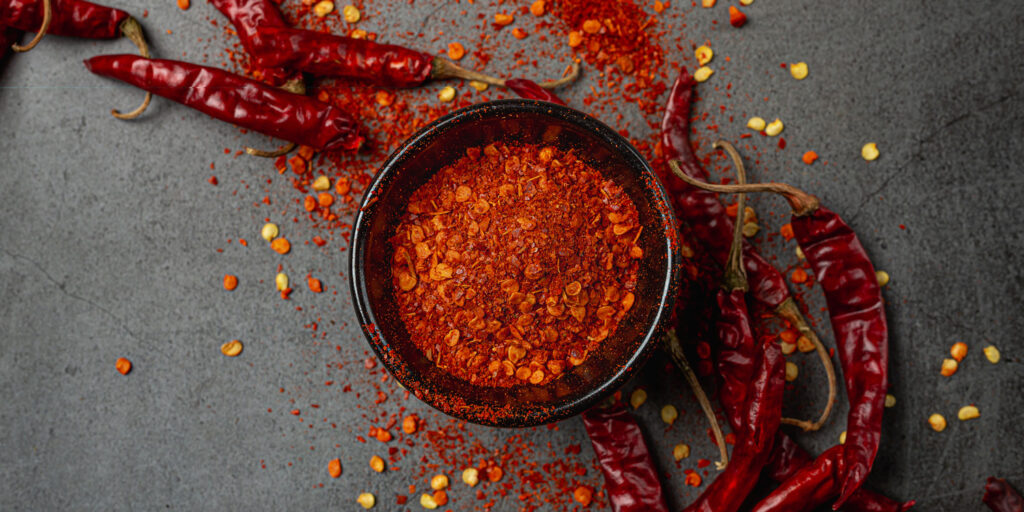
Spicy food has long been a part of culinary culture around the world. However, behind its tempting taste and hot sensation, spicy food is like two sides of a coin. It has both health benefits and risks.
Dr Karina Rahmadia Ekawidyani, a lecturer at the Department of Community Nutrition at IPB University, revealed the various positive and negative effects of consuming spicy food. She also provided tips on how to enjoy it safely.
Benefits of Spicy Food
Dr Karina stated that spicy food can provide benefits to the body when consumed in moderation. According to her, spicy foods like chili peppers contain various active compounds that play an important role in health.
“Chili peppers are rich in vitamin C and vitamin A, which function as antioxidants and can protect the body from various diseases, thereby enhancing the immune system,” she explained.
Furthermore, she noted that the capsaicin content in chili peppers can also aid in weight loss. “Capsaicin increases body temperature and accelerates metabolism, causing calories to burn faster,” she added.
Additionally, Dr Karina noted that capsaicin has been scientifically proven to have various other benefits, such as inhibiting the growth of cancer cells without damaging surrounding healthy cells.
Capsaicin also has analgesic (pain-relieving) and anti-inflammatory effects, and positively impacts the cardiovascular and metabolic systems, including improving lipid profiles and endothelial function or blood vessel walls.
Negative Effects
However, she cautioned the public to remain cautious when consuming spicy foods. “Excessive consumption can irritate the digestive tract and increase acid reflux, causing symptoms such as heartburn, stomach pain, bloating, diarrhea, and even vomiting,” she explained.
Spicy foods consumed irresponsibly can also cause other effects such as insomnia, reduced tongue sensitivity, and even an increased risk of cognitive decline.
“Research shows that people who regularly consume more than 50 grams of chili peppers per day have nearly twice the risk of cognitive decline compared to those who consume smaller amounts,” she added.
Spicy Tolerance Varies by Individual
Regarding tolerance to spicy food, Dr Karina emphasized that everyone has different limits. This is influenced by genetic, experiential, and psychological factors.
“Capsaicin stimulates the Transient Receptor Potential Vanilloid (TRPV1) receptor, which sends pain signals to the brain. Each individual has a different level of receptor tolerance. In fact, some people are born without these receptors, so they don’t feel the spiciness,” she explained.
She also noted that tolerance for spicy food can increase with regular consumption. Besides physiological factors, the perception or belief that food is extremely spicy can also influence a person’s reaction.
Dr Karina also provided some tips for safely enjoying spicy food:
- Avoid eating spicy food on an empty stomach.
- Pay attention to portion sizes and personal tolerance limits.
- Avoid eating spicy food before bedtime.
- Drink milk after consuming spicy food.
- Choose chili peppers with milder heat levels, such as green chili peppers or bell peppers.
- Remove the seeds and thin membrane lining the chili pepper walls to reduce spiciness.
- Consume alongside fiber-rich or healthy fat foods like vegetables, grains, and avocados. (dr) (IAAS/LAN)
