

The death of a well known Indonesian band vocalist, which was linked to tuberculosis (TB) that attacked his kidneys and required him to undergo regular dialysis, caught the public’s attention.
TB is a disease with a relatively high incidence rate and mortality rate in Indonesia. Until now, TB has been primarily recognized as a disease that affects the lungs, while its involvement in other organs such as the kidneys remains poorly understood by the general public.
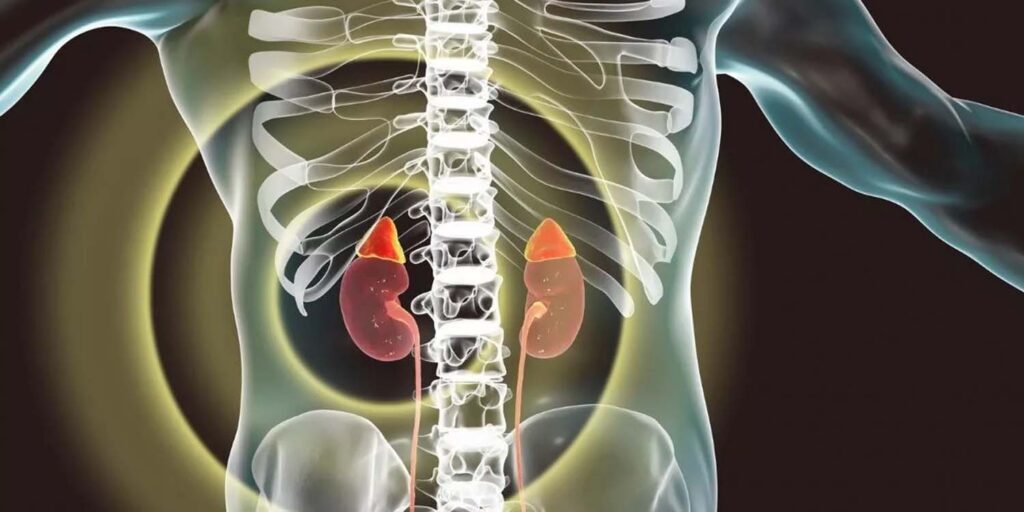
dr Christy Efiyanti, SpPD, a specialist in internal medicine and lecturer at the Faculty of Medicine, IPB University, explained that kidney TB is a form of extrapulmonary TB caused by Mycobacterium tuberculosis infection in the kidneys.
dr Christy explained that the main difference between kidney TB and pulmonary TB lies in the organ affected. In pulmonary TB, the infection occurs in the lungs. Meanwhile, kidney TB infection generally occurs due to the spread of bacteria from the primary infection site in the lungs through the bloodstream.
“The main route of infection is through inhalation of aerosols containing Mycobacterium tuberculosis. The kidneys have many blood vessels and can be infected hematogenously, through the lymphatic vessels, or by direct spread after primary infection from the lungs or intestines,” she explained.
This infection process can cause chronic inflammation of the kidneys. Dr Christy explained that this condition can develop into chronic tubulointerstitial nephritis (kidney inflammation), papillary necrosis, and fibrosis with extensive damage to kidney tissue.
“This disease can cause serious complications, including obstructive uropathy, hydronephrosis, and kidney failure,” she said.
Symptoms
The early symptoms of kidney TB are often non-specific, so it is often diagnosed late. Complaints can include painful urination, increased frequency of urination, or urinary tract bleeding. “Sometimes it is mistaken for a common urinary tract infection,” said dr Christy.
Common symptoms such as fever, weight loss, and night sweats may also appear, although not always.
She emphasized the importance of vigilance and early screening. “If you experience urinary symptoms, don’t delay, consult a doctor immediately. The doctor will conduct a medical history review, physical examination, and supportive laboratory and radiological tests to confirm the diagnosis and provide appropriate treatment,” she concluded. (Fj) (IAAS/KDP)
