

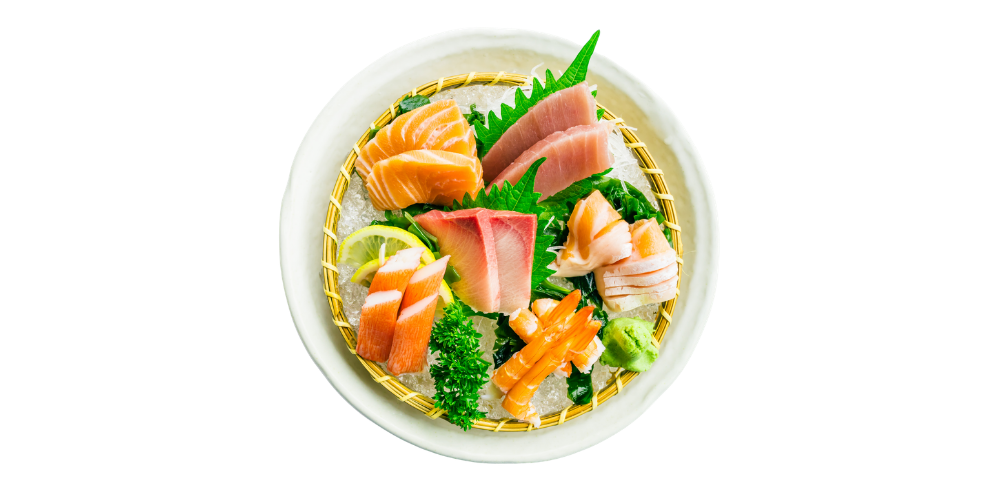
Recently, a video circulated showing what appeared to be a parasite emerging from a piece of sashimi at a sushi restaurant in Hong Kong. In the video, a customer claimed to have found a linear-shaped worm crawling out of a piece of kinmedai fish as he was about to take a photo of his meal before eating it. The incident was subsequently reported to local food safety authorities.
In response to the incident, dr Karina Rahmadia Ekawidyani, a lecturer at the Faculty of Medicine and Nutrition (FKGiz) at IPB University, issued an important warning regarding the health risks associated with consuming raw fish. She urged the public to be more selective in choosing where to eat to avoid parasites exposure commonly found in raw fish.
According to dr Karina, raw fish carries the risk of containing various types of parasites, such as tapeworms (Diphyllobothrium spp), nematodes, trematodes, and protozoa. These parasitic infections can trigger acute gastrointestinal disorders that appear within 1–2 hours to 14 days after consumption. Common symptoms might appear, such as nausea, vomiting, diarrhea sometimes with blood, abdominal pain, dizziness, and even fever.
“In chronic cases, this infection can lead to anemia, weight loss, deficiency of B12 vitamin, as well as inflammation of the bile ducts (cholangitis) or the pancreas (pancreatitis),” she said.
She explained, the risk of parasitic infection from raw fish can be reduced by implementing proper food safety standards, both during storage and processing.
There are several methods that can be used to kill parasite larvae in fish. One of them is cooking at 55°C for five minutes. Another method is extreme freezing, specifically at -20°C for seven days or -35°C for 15 hours for meat less than 15 cm thick.
According to her, restaurants bear a significant responsibility to enforce strict food safety standards, including ensuring fish is stored at the right temperature and appropriate duration. Meanwhile, consumers, particularly vulnerable groups such as children and the elderly, are advised to choose sushi dishes made with cooked fish.
In addition to measures at the individual and restaurant levels, dr. Karina emphasized the importance of community sanitation systems. Proper management of fecal waste through septic tanks is crucial for breaking the parasite life cycle so that parasite eggs do not contaminate aquatic ecosystems. (dh) (IAAS/PRP)
