

IPB University Nutrition expert Dr Eny Palupi says that local foods can be an attractive option for suhoor and iftar meals. She believes that local foods provide excellent balanced nutrition amid the onslaught of instant and imported foods.
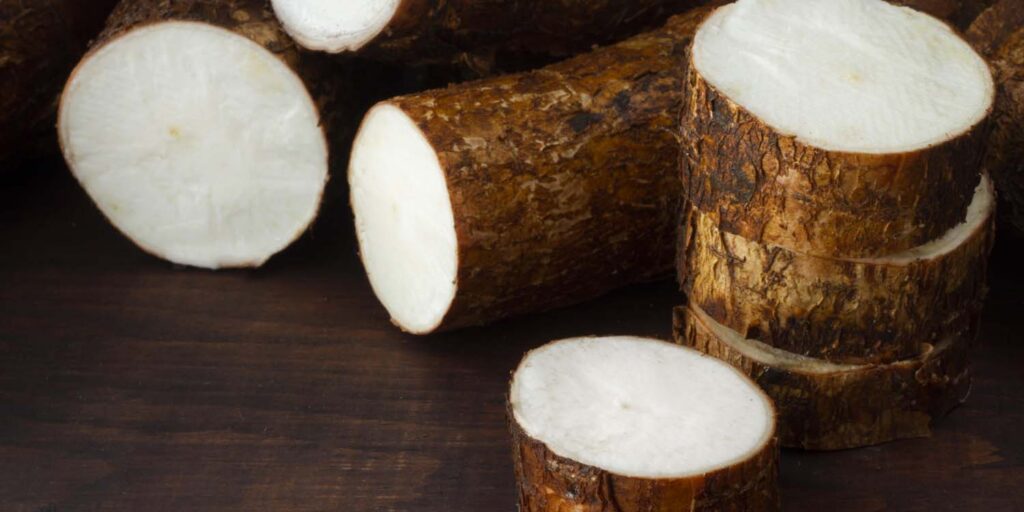
“Root vegetables such as cassava, sweet potatoes, and taro are rich in complex carbohydrates that are digested more slowly, providing a longer feeling of fullness and helping to maintain stable blood sugar levels,” she explained.
As is well known, consuming foods and drinks that are high in sugar can disrupt blood sugar stability and increase the risk of diabetes.
Dr Eny Palupi also explained that nuts such as green beans, red beans, and peanuts provide vegetable protein and fiber, which are important for repairing body tissue and maintaining digestion.
She also mentioned several local vegetables such as spinach, kale, winged beans, bitter melon, turmeric flowers, and moringa leaves, which contain vitamins and minerals that support the body’s immune system.
Local fruits such as bananas, papayas, rambutans, mangoes, salak, and others can be a source of quick energy because of their glucose content, which is easily digested after a day of fasting.
“With these various options, local foods not only meet the needs for carbohydrates, protein, and fat, but also fiber, vitamins, and essential minerals,” she added.
In addition to nutritional aspects, Dr Eny noted that local foods are fresher than imported products, which require preservatives for longer transportation and storage periods.
From a sustainability perspective, consuming local foods can support the local farmers’ economy and reduce the carbon footprint from long-distance transportation. “With all these advantages, local foods are worth recommending for a balanced and nutritious iftar and suhoor,” she concluded. (dh) (IAAS/SSR)
