

Eggs are a highly nutritious source of animal protein. Although they are relatively affordable, data from the Central Statistics Agency (BPS) shows that household spending on cigarettes is still higher than on eggs.
However, according to IPB University Professor of Nutrition Science Prof Rizal M Damanik, consuming two eggs per day can be a simple investment with a significant impact on children’s growth.
In addition to their nutritional value, people also need to understand how to choose and store eggs properly to maintain their quality.
Characteristics of Fresh, High Quality Eggs
Professor Niken Ulupi from the Faculty of Animal Science at IPB University shared practical guidelines for identifying high-quality eggs based on their physical characteristics.
“Eggs that are perfectly oval, feel heavy when held, and have strong shells are good and fresh,” she said.
Although the outer appearance does not determine the nutritional content of eggs, it can be an indicator of freshness. “What is visible from the outside does not reflect the nutritional value of the egg. But if the quality is good, the egg is fresh, and when broken, the egg white will be thick,” she explained.
Eggs with overly pointed ends or rough shells should be avoided as they may indicate health issues in the hen. Additionally, naturally clean eggs indicate good farm management. “If they are too dirty, they can become a breeding ground for bacteria,” she added.
Prof Niken also clarified the misconception that shell color determines nutritional quality. According to her, the difference in white or brown color is only influenced by the chicken’s natural pigments. “The nutritional value of eggs is genetically determined. As long as the egg is formed perfectly, it means that its nutritional content is sufficient,” she said.
Refrigerator or Room Temperature?
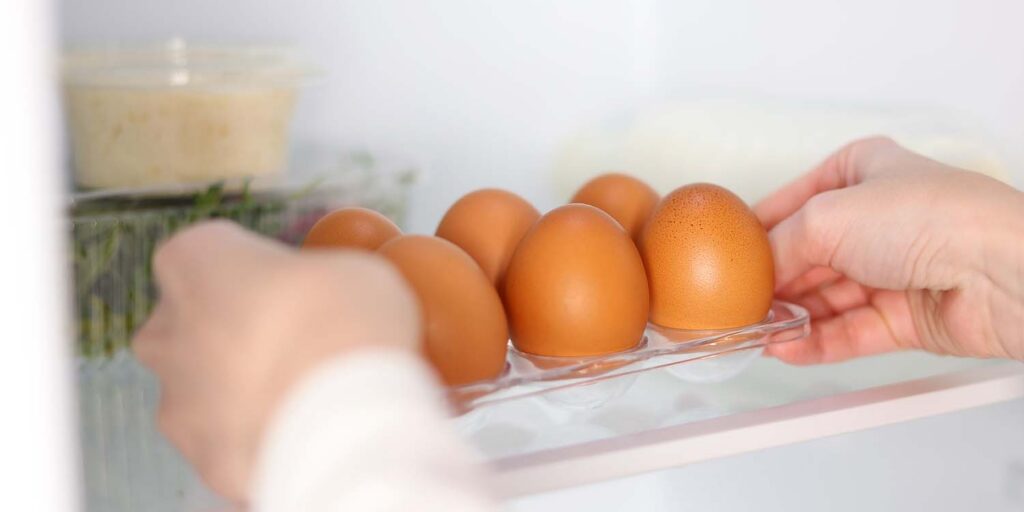
Egg storage also affects quality and safety. Prof Niken recommends storing eggs in the refrigerator so that they can last up to a month without significant deterioration in quality. “At cold temperatures, pathogens will ‘hibernate’, so bacterial growth will stop,” she explained.
If stored at room temperature, eggs should not be kept for more than three weeks and should be kept away from heat sources and strong-smelling substances because eggs easily absorb odors.
She also reminded people to cook eggs thoroughly to reduce the risk of bacteria such as Salmonella or E. coli. “If our bodies are healthy, exposure to bacteria can be overcome. But if our immunity is low, the risk increases,” she said.
By selecting, storing, and preparing eggs properly, people can obtain optimal nutritional benefits from this simple food item that has a significant impact on health and the quality of future generations. (IAAS/WSG)
