

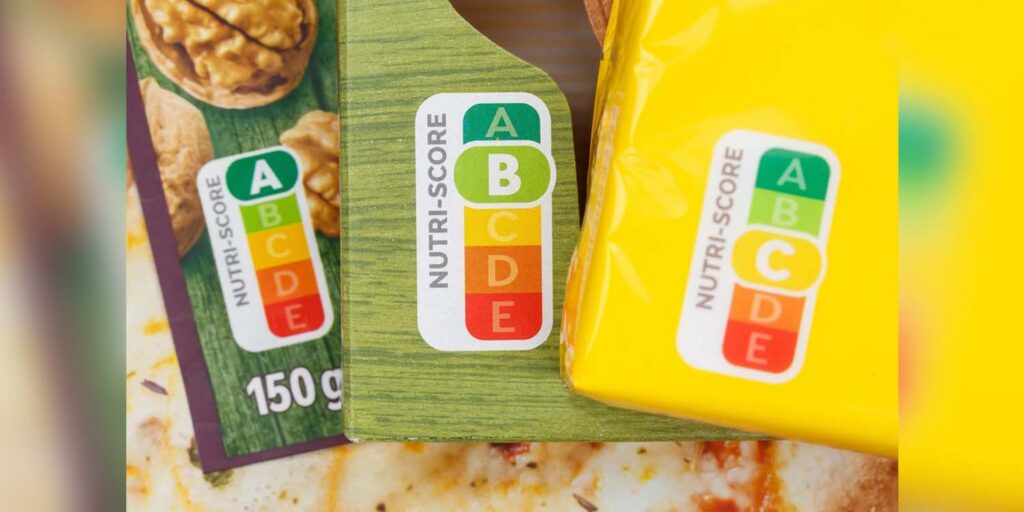
The implementation of Nutri-Level nutrition labels on sugary beverages is seen as having the potential to raise consumer awareness. However, its implementation in Indonesia faces significant challenges, both from the industry and consumers. Without education and supporting strategies, there are concerns that this policy will be ineffective in curbing excessive sugar consumption.
Prof Nuri Andarwulan, Professor of the Food Technology Program, Faculty of Engineering and Technology at IPB University, explained that Front of Pack Labeling (FOPL) aims to provide simple information so that consumers can choose healthier foods.
“If we look at the primary objective of implementing FOPL, this policy is designed to empower consumers through clear and easily understandable information. Nutri-Level, as a summary system, assigns letter grades from A to D (dark green, green, yellow, and red), which is simpler compared to the non-color (monochrome) GDA (Guideline Daily Amount),” she said.
Implementation Challenges
In her research, Prof Nuri revealed findings that highlight the significant challenges of implementation in the field.
“Our study of 100 samples of ready-to-drink beverages from restaurants and cafes in the Jakarta and Bogor areas, including coffee, tea, bubble tea, and chocolate drinks (both milk-based and non-milk-based), among others, showed that only three beverages had low sugar content and met the criteria for categories A and B,” she explained.
She continued, “The remaining 97 beverages had moderate to very high sugar content, equivalent to categories C and D or exceeding the recommended daily sugar intake limit per serving.”
These findings suggest that if the Nutri-Level system were widely implemented, the majority of products would likely receive C and D labels. “If this policy is applied not only to packaged beverages but also to products in cafes and restaurants, then most products would likely receive C and D labels (yellow and red). This would certainly have significant consequences for businesses,” she explained.
She believes the industry is likely to resist the policy due to its significant economic impact. “The industry will likely view this policy as unrealistic because it could affect product sales. Ideally, the government should implement a program in collaboration with industry stakeholders as an initial step toward reducing public sugar intake through reformulation.”
However, reformulation programs aimed at reducing sugar content have the potential to alter the taste that consumers have come to expect. “Therefore, the reformulation to reduce sugar content in beverages needs to be implemented gradually,” she said.
Another challenge is the potential use of food additives as alternatives. “The use of artificial sweeteners could be a shortcut, although it does not necessarily result in the highest category in the Nutri-Level system,” she added.
From a regulatory perspective, he emphasized the importance of inter-agency harmonization. “Regulations for packaged beverages fall under the BPOM (Food and Drug Supervisory Agency), while products in cafes and restaurants involve the Ministry of Health. If there is a lack of alignment, gaps will emerge in policy implementation,” she explained.
Meanwhile, from the consumer’s perspective, the main challenge is acceptance and understanding. “If most products are labeled C and D, there’s a risk that consumers might ignore the labels or become confused. Without widespread education, the labels may fail to have a tangible impact,” she said.
She stressed that labeling must be implemented alongside other strategies such as consumer education, food reformulation, nutrition intervention programs, and fiscal policies. “The ultimate goal of this policy is public health. Therefore, implementation must be carried out gradually, supported by incentives for the industry, and must not disregard existing scientific evidence,” he concluded. (Fj) (IAAS/HNY)
