

Pandan leaves have long been known to Indonesians as a natural food flavoring and coloring agent. In addition, this plant also has a variety of benefits in treating scalp problems, such as eliminating dandruff, strengthening hair roots, and darkening hair naturally.
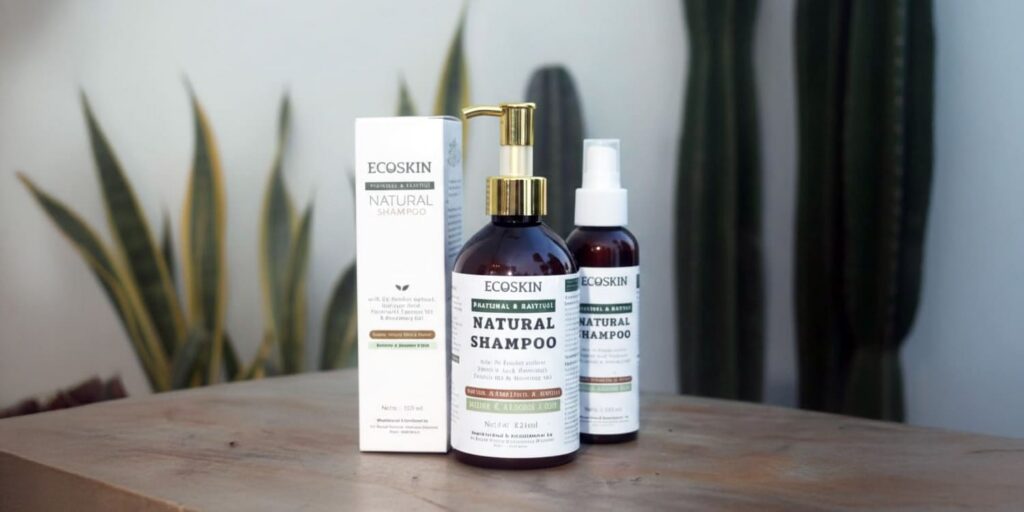
Through innovative research, a team of researchers from IPB University’s Department of Agricultural Industry Technology has successfully developed this local wisdom into a hair care product: an environmentally friendly, natural shampoo made from pandan leaves that has high economic potential.
“The active ingredients in pandan leaves, namely polyphenols (flavonoids), saponins, and alkaloids, are not only antioxidants but also antimicrobials. Pandan extract also prevents dandruff, protects the scalp from free radicals, and promotes new hair growth,” explained Prof Khaswar Syamsu, Chair of the research team.
Unlike conventional shampoos containing synthetic chemicals such as Sodium Lauryl Sulfate (SLS), this pandan shampoo innovation is formulated from natural ingredients that are safer for the scalp and the environment. The back to nature trend, where people now prefer natural and environmentally friendly products, is also an important reason for the development of this product.
Prof Khaswar explained that his research began in the laboratory, where he extracted pandan leaves using water and processed them into instant pandan powder. This powder can be stored for a long time and is easy to use at any time.
Next, the pandan powder was formulated with other natural ingredients such as aloe vera, rosemary oil, and tea tree oil. These ingredients were blended into a shampoo that not only cleanses but also nourishes the scalp and reduces hair loss.
According to Prof Khaswar, the use of pandan leaves as the main ingredient has great economic potential. “They are abundant in Indonesia, so production costs are relatively low. In addition, the increasing demand for pandan could also open up new economic opportunities for rural farmers,” he said.
Currently, the pandan leaf shampoo product is in the process of obtaining a CPKB (Good Cosmetic Manufacturing Practices) certificate, a distribution permit from the Food and Drug Supervisory Agency (BPOM), and a halal certificate from the Halal Product Guarantee Agency (BPJPH).
“If the requirements are in accordance with regulations, this product will be legally commercialized, both domestically and internationally,” added Prof Khaswar.
Together with Rumah Pertanian Indonesia, this pandan leaf shampoo demonstrates IPB University’s commitment to continue promoting the downstreaming of agricultural products into high-value-added products. Not only beneficial for consumers, this innovation is also expected to contribute to increasing farmers’ income and rural economic development. (Ez) (IAAS/KHP)
