

Ascaridiosis worm infection remains a serious challenge in the poultry industry. In addition to affecting chicken health, the infection can cause economic losses for farmers. On the other hand, continuous use of chemical worm medicines risks triggering parasite resistance.
In response to this, Professor of Veterinary Medicine and Biomedical Science (SKHB) at IPB University, Prof drh Risa Tiuria, emphasised the importance of the mucosal defence system of the digestive tract.
In her IPB University Professor’s Scientific Oration (1/24), Prof Risa also revealed the potential of phytotherapy from Indonesia’s wealth of medicinal plants as a more sustainable control strategy.
“In vitro, several Indonesian medicinal plants have been proven to reduce worm motility. Active herbal substances can even penetrate the worm’s thick cuticle and paralyse it,” she said.
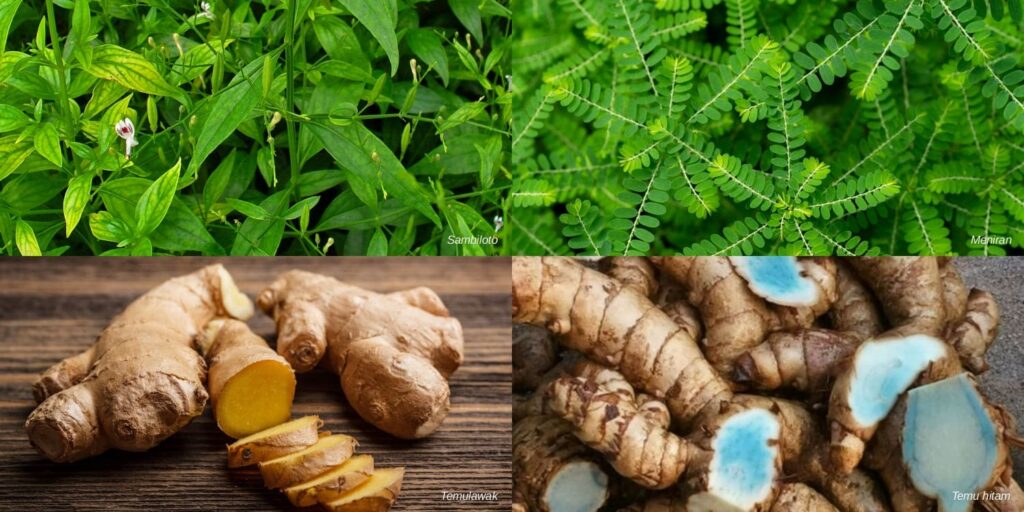
“The development of herbal worm medicines such as meniran, sambiloto, temulawak, and temuireng has the potential as anthelmintics that do not cause worm resistance, thus becoming a long-term solution,” Prof Risa continued.
Ascaridiosis in poultry is caused by the nematode Ascaridia galli, which is transmitted through the faecal-oral route and lives in the small intestine lumen. Prof Risa explained that this infection can reduce the production of laying hens, both in terms of number and egg weight, as well as cause intestinal tissue damage that interferes with nutrient absorption and chicken growth.
“Chronic Ascaridia galli infection can cause high economic losses for chicken farmers,” she said.
Furthermore, she explained the important role of the intestinal mucosal defence mechanism in fighting worm infections. Goblet cells and mast cells contribute greatly to protecting the digestive tract. The proliferation and hyperplasia of goblet cells increase the production of mucus/mucus, which inhibits the attachment and development of worms.
“Meanwhile, mast cell degranulation releases mediators such as histamine, proteoglycans, and proteases that can damage the worm cuticle and aid in its expulsion from the chicken’s body,” she continued.
Regarding the immune response, he explained that the excretory-secretory (ES) antigen of A galli has high antigenicity and is immunomodulatory. “ES antigens can enhance T and B cell responses,” she said.
“The administration of adult worm ES antigens with a molecular weight of 40–66 kDa has been proven to accelerate the expulsion of larvae from intestinal tissue and prevent the normal development of worms,” she explained.
However, the development of worm vaccines still faces obstacles. “Worms are metazoan helminths with complex life cycles and different immune responses at each stage, making vaccines difficult to develop,” she explained.
Nevertheless, she acknowledged that the research being conducted is still in vivo and cannot yet be directly applied in poultry farms. However, the use of herbs as supplements to improve digestive health and immunity is already widely practised.
“Curcumin compounds are often administered to boost immunity, although they have not yet reached the therapeutic stage,” he concluded. (Fj) (IAAS/LAN)
